Variable Data Printing with HP Indigo: Smart Label Solutions from Traceability to Marketing
- Home
- Blog
Variable Data Printing with HP Indigo: Smart Label Solutions from Traceability to Marketing
As production processes become increasingly digital, the role expected from product labels is also changing significantly. Today, a label is no longer merely an element that carries a product name, ingredient information, or a barcode; it has become a strategic data carrier that enables product traceability from production to the end user.
Especially in the food, cosmetics, pharmaceutical, chemical, and logistics industries, traceability, product safety, and consumer engagement are becoming more important every day. One of the most powerful technologies that meets these needs is **HP Indigo Variable Data Printing (VDP)** technology.
By enabling each label to carry different information, this technology not only improves operational processes but also creates new opportunities for marketing strategies.
What Is Variable Data Printing (VDP)?
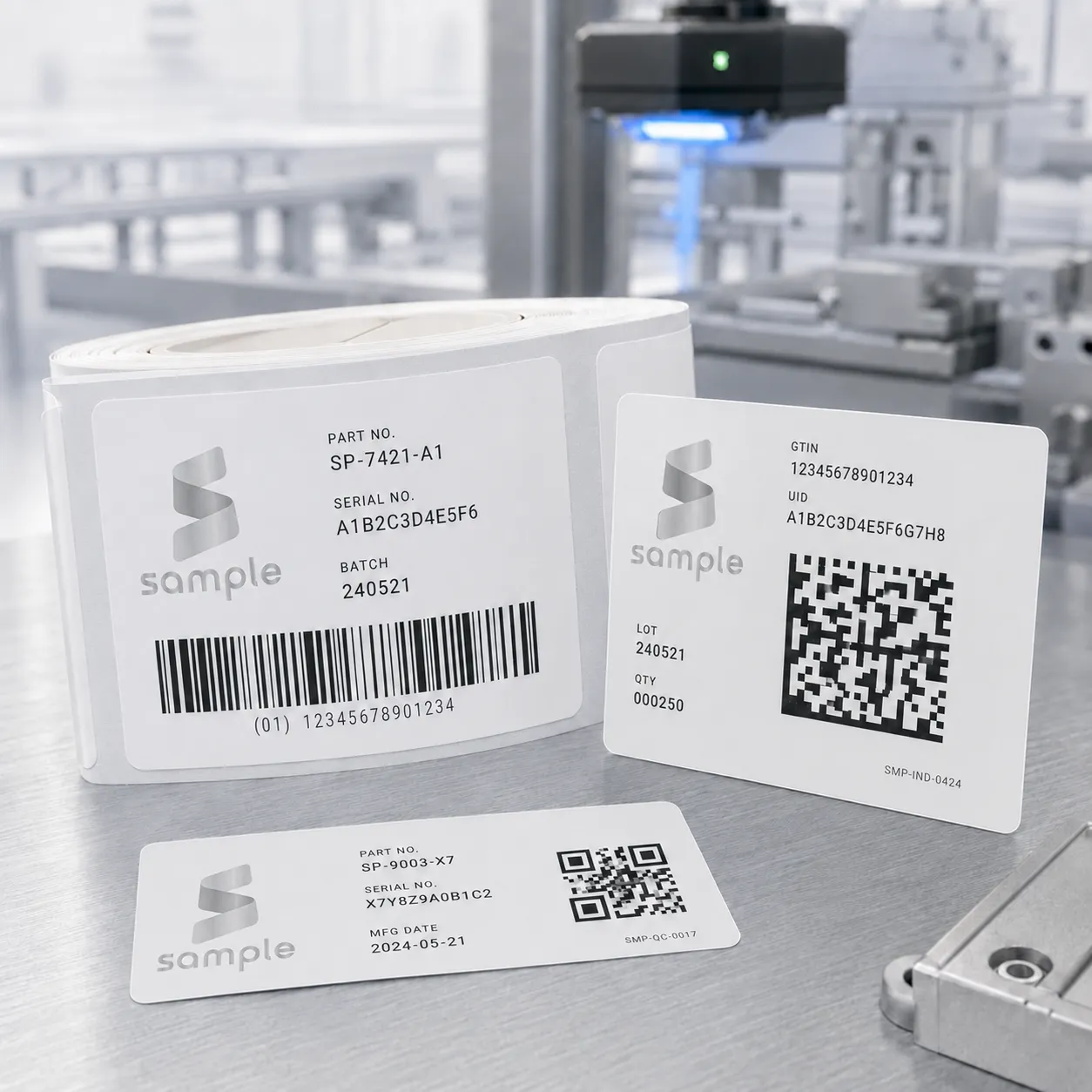
Variable Data Printing is a digital printing method that allows the information on each label to be changed without stopping the printing process.
In traditional printing, thousands of labels are produced with the same design. However, with HP Indigo technology, each label can contain different information without interrupting the production line.
This information may include:
* Serial number
* Batch / lot number
* Production date
* Expiration date
* QR code
* Barcode
* Data Matrix code
* Personalized names
* Campaign codes
* Unique promotional numbers
This flexibility has made digital printing one of the essential technologies of modern production processes.
Why Does HP Indigo Technology Stand Out in Variable Data Printing?
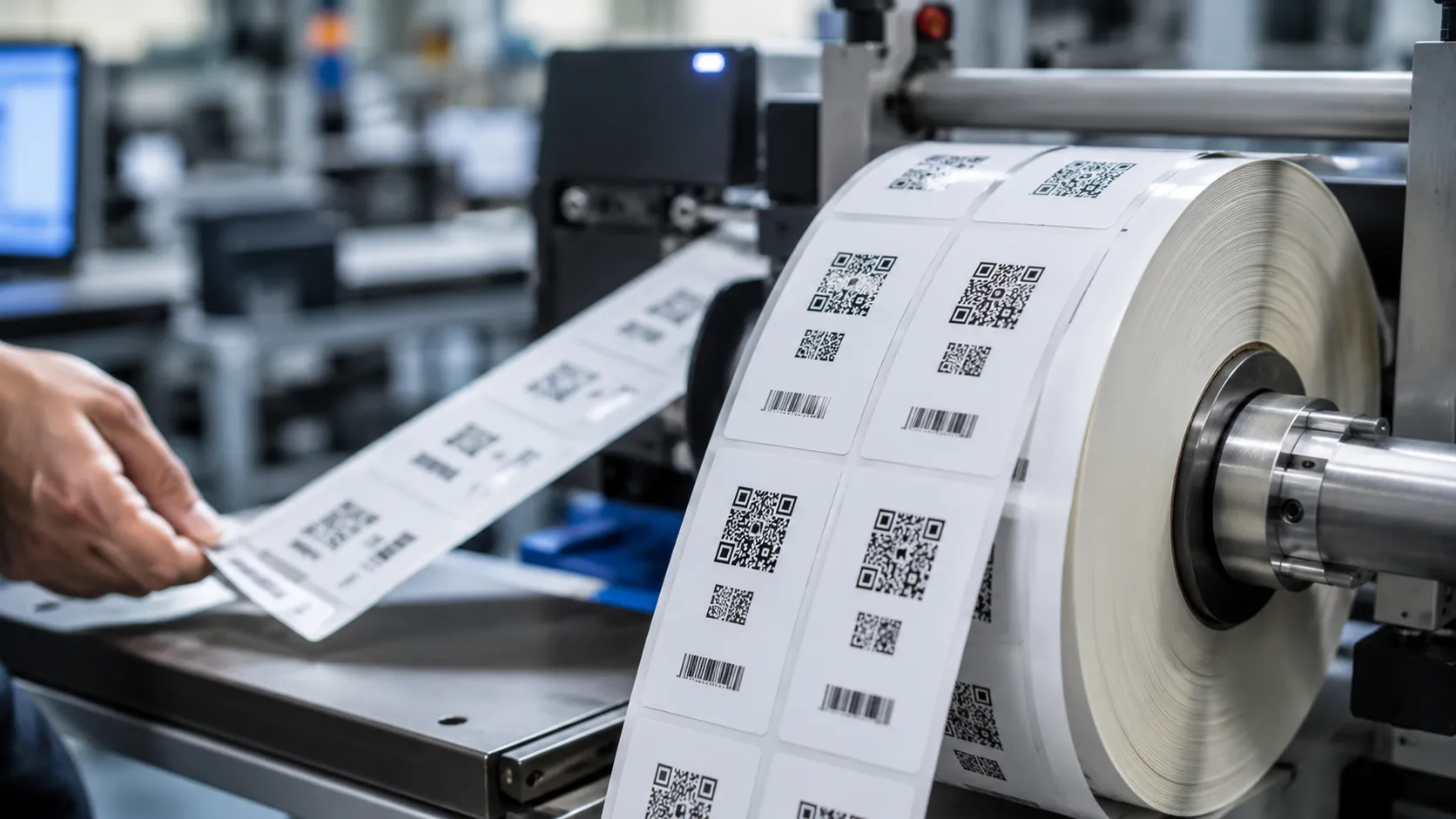
HP Indigo combines digital printing flexibility with image quality close to offset printing.
Thanks to its high-resolution printing system, variable data is not only printed accurately, but visual quality is also preserved.
This technology offers advantages such as:
* high printing precision,
* vibrant color reproduction,
* excellent readability of small text,
* consistency in mass production,
* the ability to print on different materials.
As a result, labels that meet high standards both aesthetically and functionally can be produced.
A New Standard in Traceability
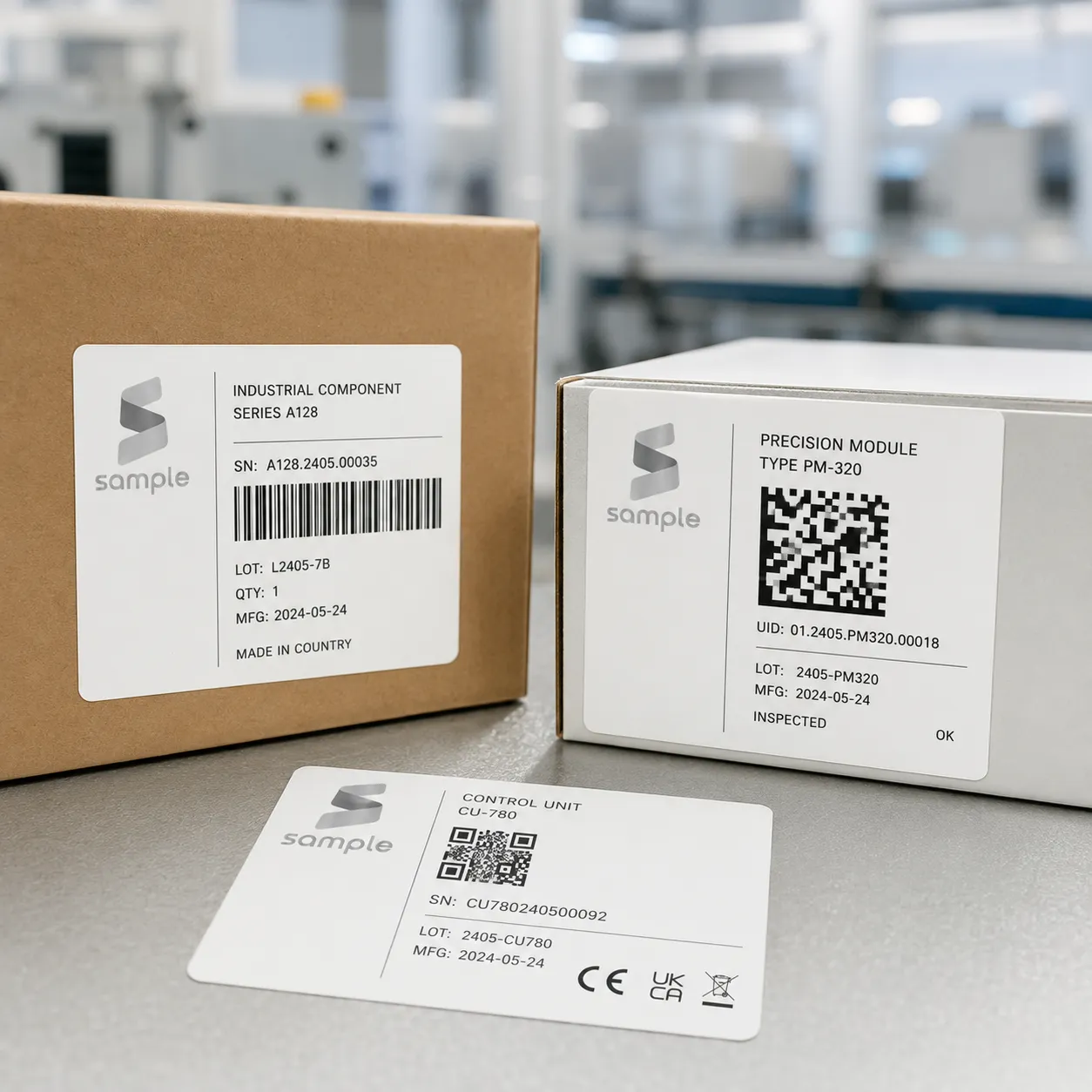
Today, in many industries, the ability to track products from production to the end user has become both a legal and operational requirement.
By adding unique data to each label, it becomes possible to easily track:
* which production line the product was manufactured on,
* during which production shift it was manufactured
* which raw materials were used,
* which shipment it belongs to.
In the event of a potential quality issue or product recall, only the relevant batch of products can be identified. This helps reduce costs and enables processes to be managed in a more controlled way.
Especially in the food, pharmaceutical, and medical industries, this approach is an important part of quality assurance systems.
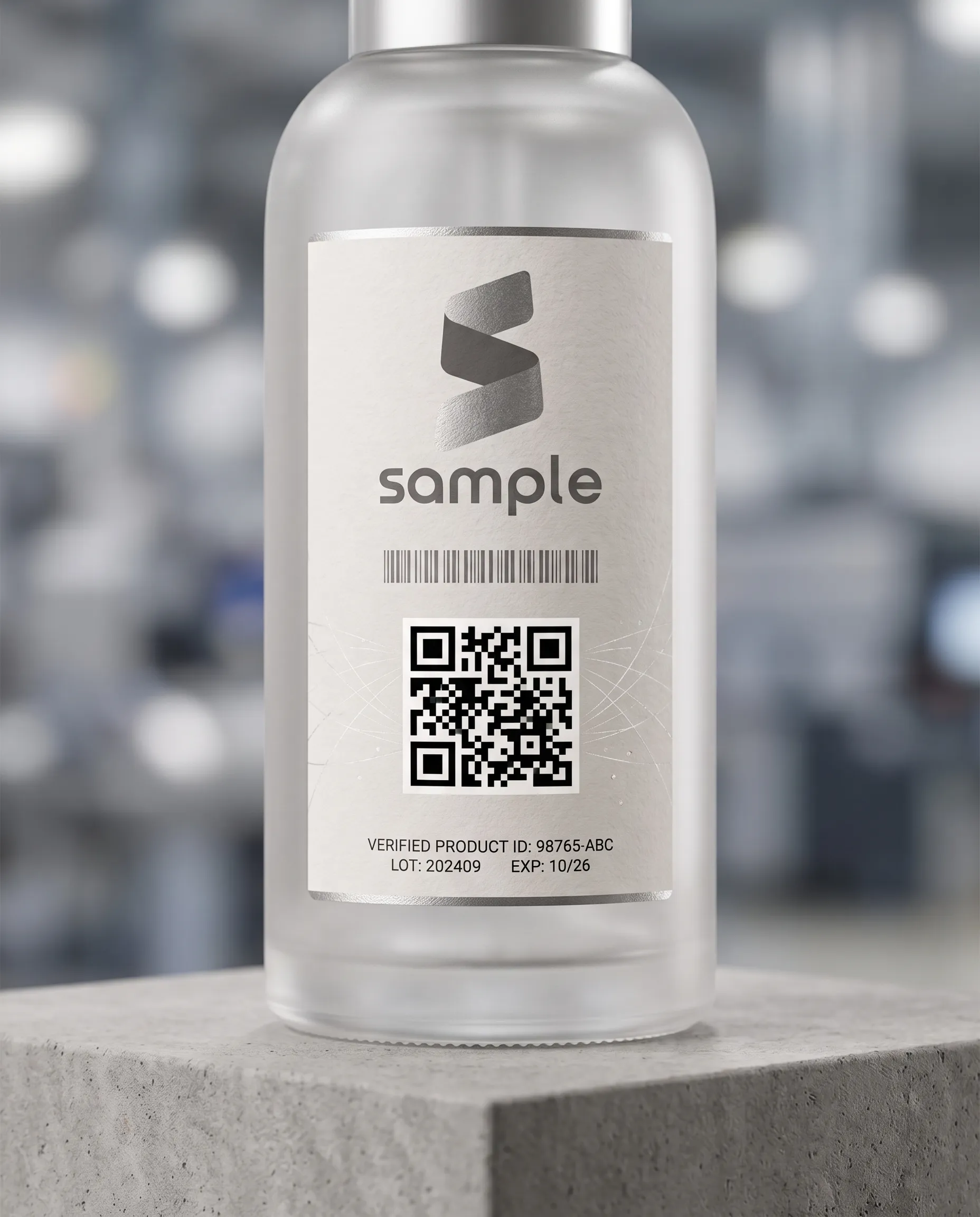
Create a Digital Experience with QR Codes
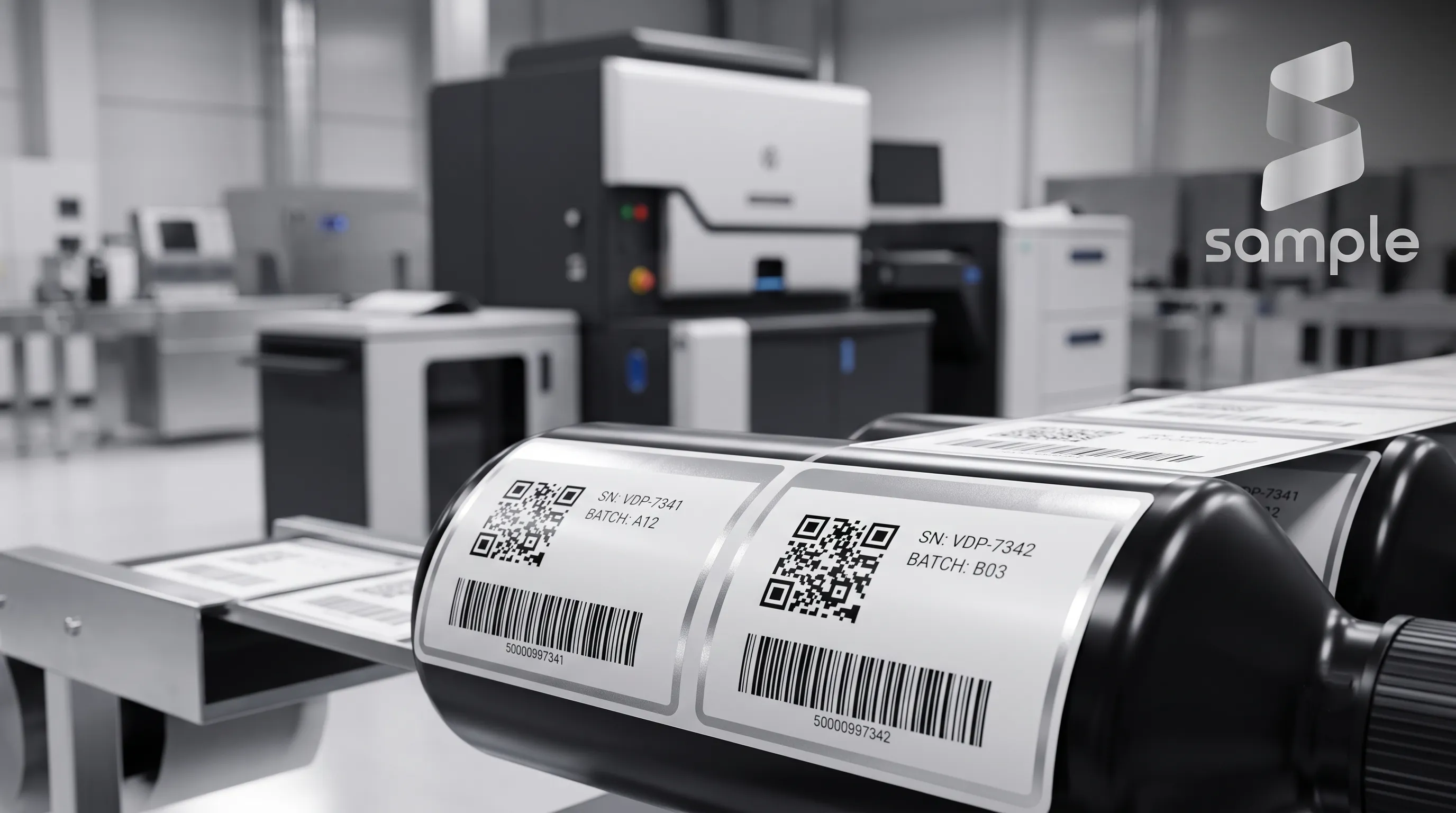
One of the most notable applications of variable data printing is QR code implementation.
With unique QR codes created for each product, consumers can:
* verify the product,
* access usage instructions,
* register a warranty,
* participate in campaigns,
* explore the product story,
* watch educational videos.
In this way, the label goes beyond being a surface that simply provides information and turns into a digital touchpoint that creates interaction between the brand and the consumer.
Personalized Marketing Campaigns
Today’s consumers build stronger connections with brands that offer personalized experiences.
With HP Indigo variable data printing, it is possible to prepare:
* different designs for different cities,
* personalized names,
* limited-edition collections,
* special event series,
* campaign-specific visuals
within the same production process.
This approach not only increases brand awareness but also opens the door to creative
campaigns that support social media engagement.
Additional Security Against Counterfeiting
Counterfeit products cause serious economic losses for many industries.
Assigning a unique identity to each label makes it possible to use applications such as:
* product verification,
* serial number control,
* one-time verification codes,
* security-focused QR codes.
This allows both distributors and end users to easily verify the authenticity of the product.
More Efficient Production Processes
In traditional printing methods, each data change may require a new plate or a new preparation process.
With HP Indigo digital printing technology, however, all changes are managed through software.
This helps:
* reduce preparation time,
* make short runs more economical,
* lower the risk of errors,
* shorten delivery times,
* increase production flexibility.
This is an important competitive advantage, especially for brands that frequently update their products.
Which Industries Is It Suitable For?
Variable data printing creates value across many industries.
Key areas of application include:
* Food and beverage products
* Cosmetics and personal care
* Pharmaceutical and medical products
* Chemical industry
* Logistics and warehouse management
* Automotive supply industry
* Electronic products
* Promotional and campaign labels
Adaptable to different needs in every industry, this technology has become an important part of digital transformation processes.
Conclusion: Labels Are No Longer Just Printed Materials; They Carry Data
Today, product labels have gone beyond being printed surfaces that only provide information. They have evolved into smart communication tools that support traceability, security, operational management, and customer experience.
HP Indigo variable data printing makes every label unique, offering brands significant advantages in both production processes and marketing activities. This technology, which strengthens traceability, provides protection against counterfeiting, and enables personalized customer experiences, forms the foundation of the label solutions of the future.
As Sancak Etiket, with our HP Indigo digital printing infrastructure, we offer variable data applications, high print quality, and label solutions tailored to different industries. With our reliable production power, we contribute to the digital transformation journey of brands.
Frequently Asked Questions
What is variable data printing?
Variable data printing is a digital printing technology that enables different information, numbers, barcodes, or QR codes to be printed on each label without stopping the printing process.
What types of variable data can HP Indigo print?
Many types of data, such as serial numbers, lot numbers, barcodes, QR codes, Data Matrix codes, production dates, expiration dates, personalized texts, and campaign codes, can be printed with high accuracy.
Which industries use variable data printing?
It can be used in all industries that require traceability, security, or personalization, especially food, cosmetics, pharmaceuticals, chemicals, logistics, and automotive.
What is the biggest advantage of HP Indigo technology?
Its biggest advantage is that it combines high print quality with the flexibility of digital production, enabling every label to be made unique at mass production speed.
00+
Workers
00+
Projects
00+
Happy Customers
00+
Continent