Why “Make It Exactly Like the Sample” Is Not Enough
- Home
- Blog
A Request That Sounds Simple at First
One of the most common phrases in label production is:
“Can you make it exactly like this sample?”
From the customer’s perspective, this is completely understandable.
There is already a physical example, so reproducing it may seem easy.
However, label manufacturing involves much more than appearance alone.
What truly matters is not only how a label looks, but how it performs.
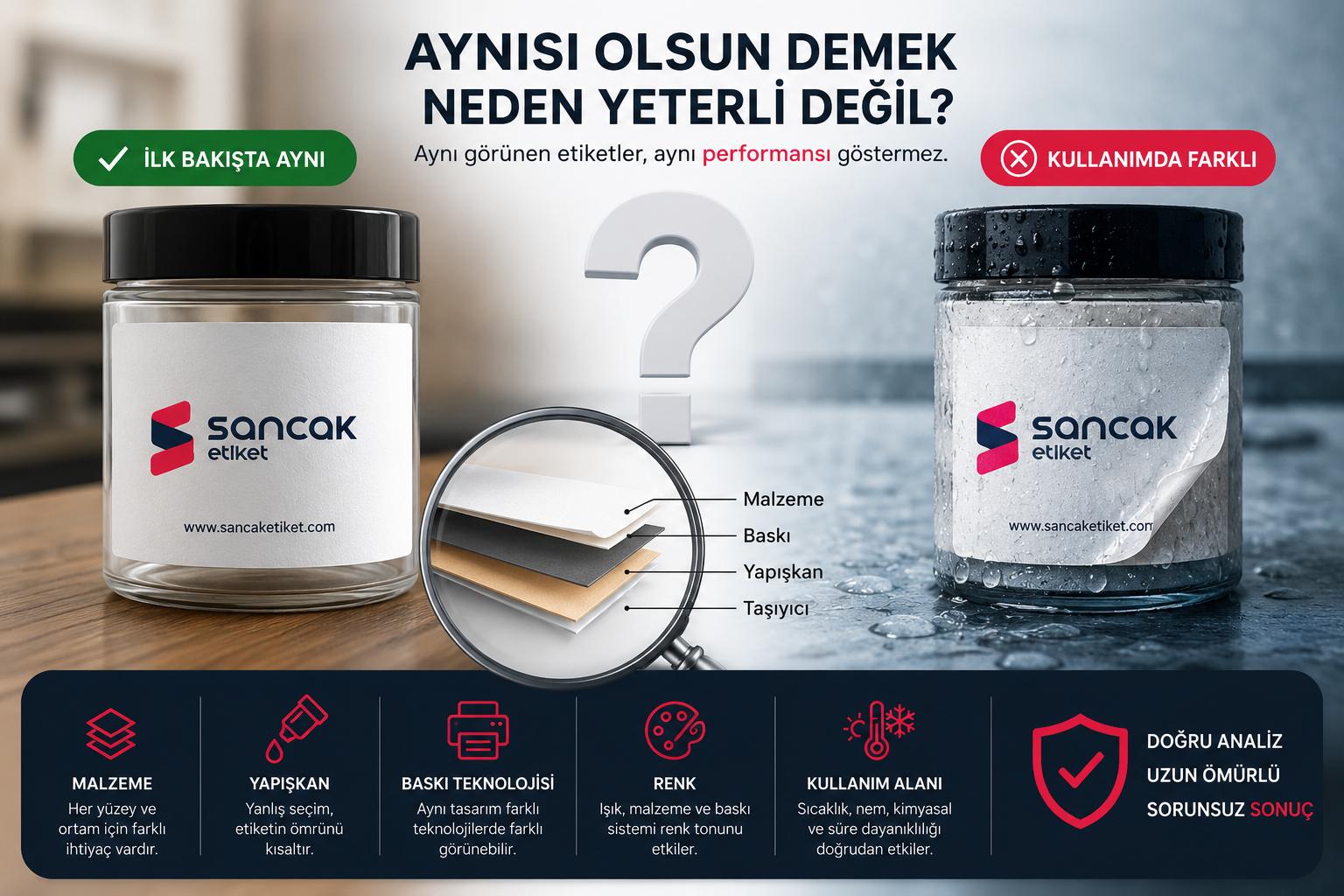
Two labels may look almost identical, yet behave very differently once they are applied and used under real conditions.
Why a Sample Alone Is Not Enough
A sample only shows the final result.
It does not explain how that result was achieved.
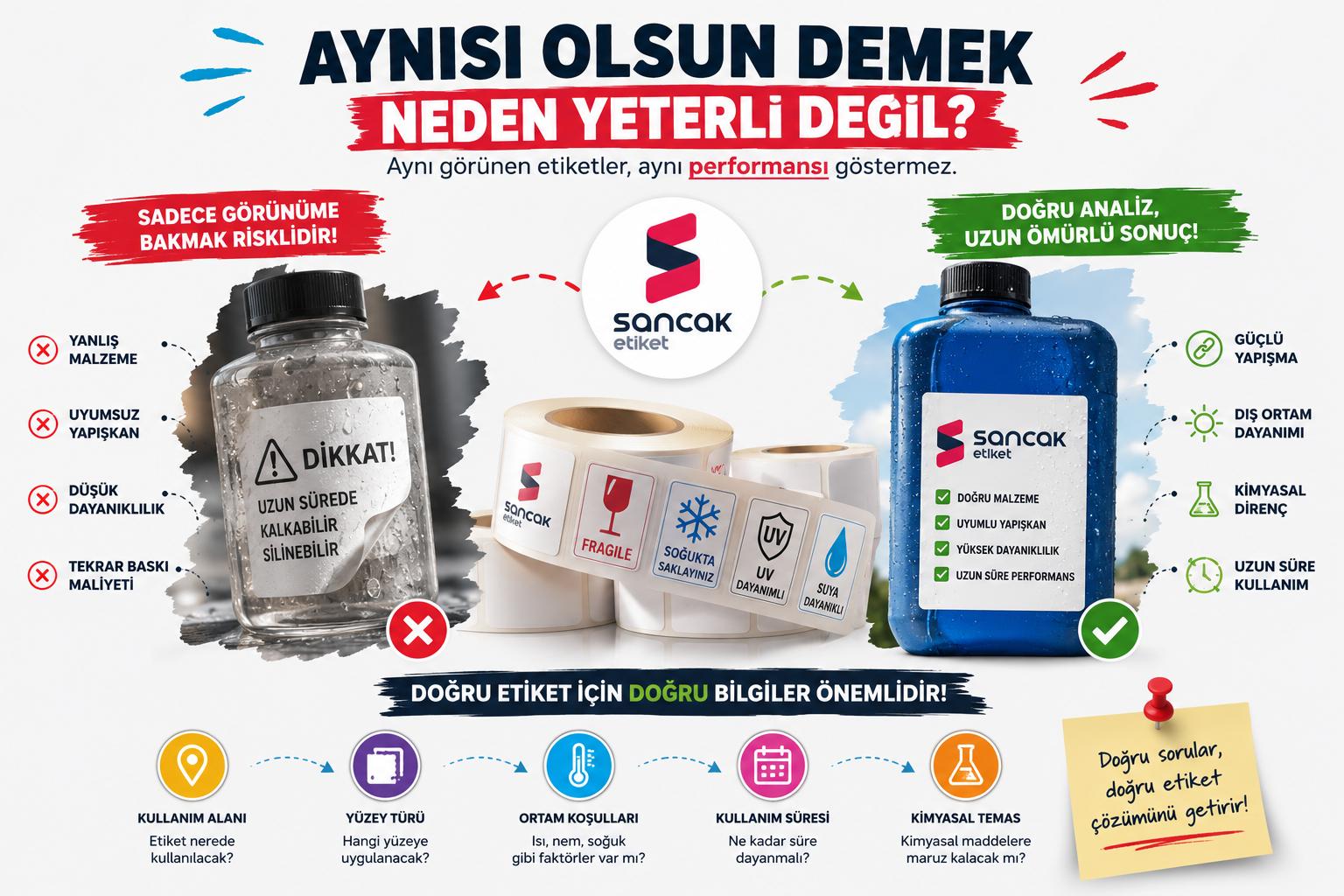
In professional label production, several technical factors matter:
• The material type
• The adhesive type
• The printing technology
• The application surface
• The environmental conditions
Without this information, asking for “the exact same label” becomes an expectation based more on appearance than on technical specifications.
Why Similar Labels Can Perform Differently
Material Makes a Difference
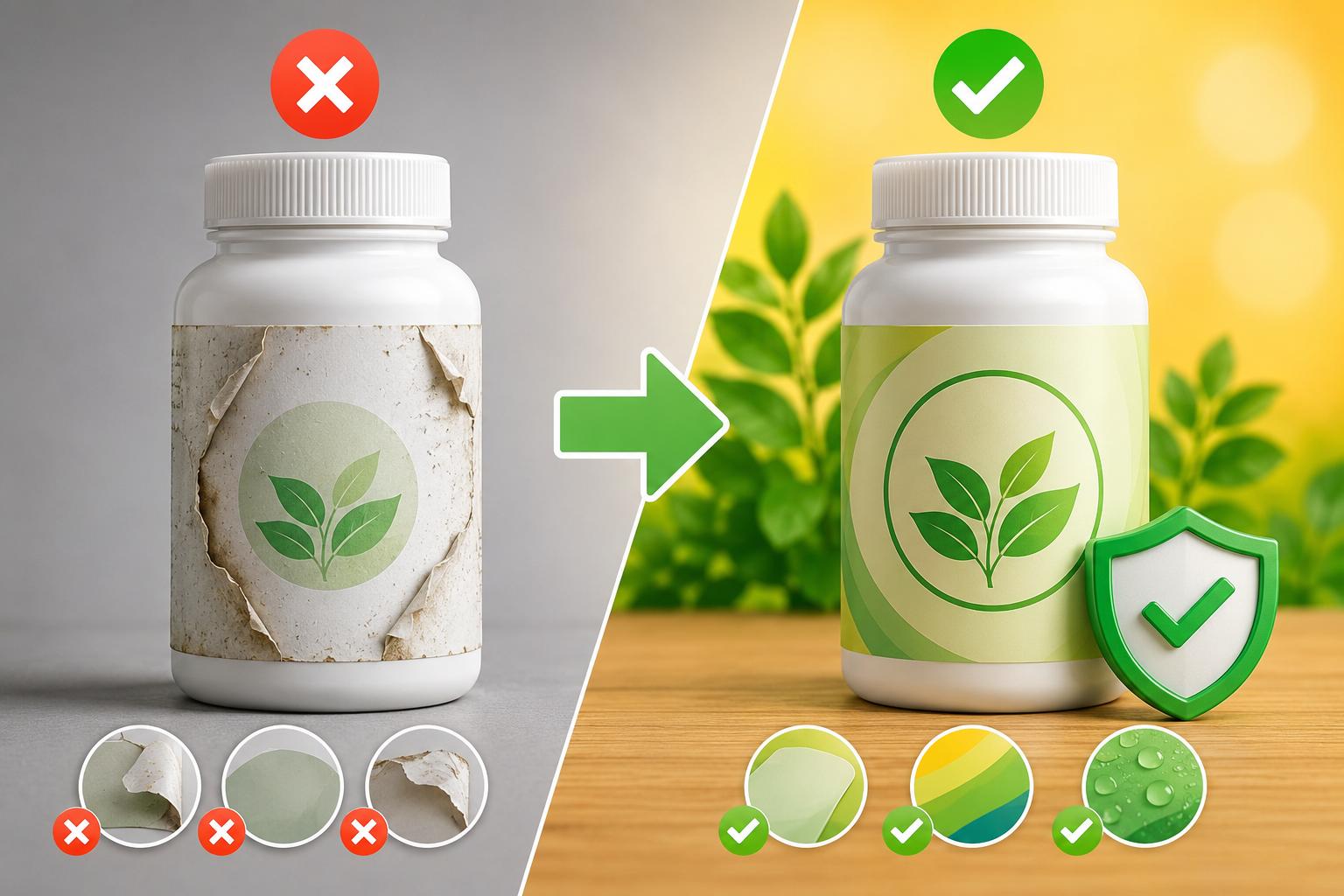
Some labels are paper-based, while others are made from synthetic materials.
They may look similar, but their durability can be completely different.
For example:
• A label used in cold storage
• A label exposed to outdoor conditions
• A label in contact with chemicals
cannot always be produced with the same material.
The Adhesive Is Critical
One of the most important parts of a label is actually invisible:
the adhesive.
Glass, cardboard, plastic, and metal surfaces all require different adhesive systems.
If the wrong adhesive is selected:
• The label may lose adhesion over time
• Edges may lift
• Residue may remain on the surface
This is why the correct adhesive type cannot be identified simply by looking at a sample.
Printing Technology Changes the Result
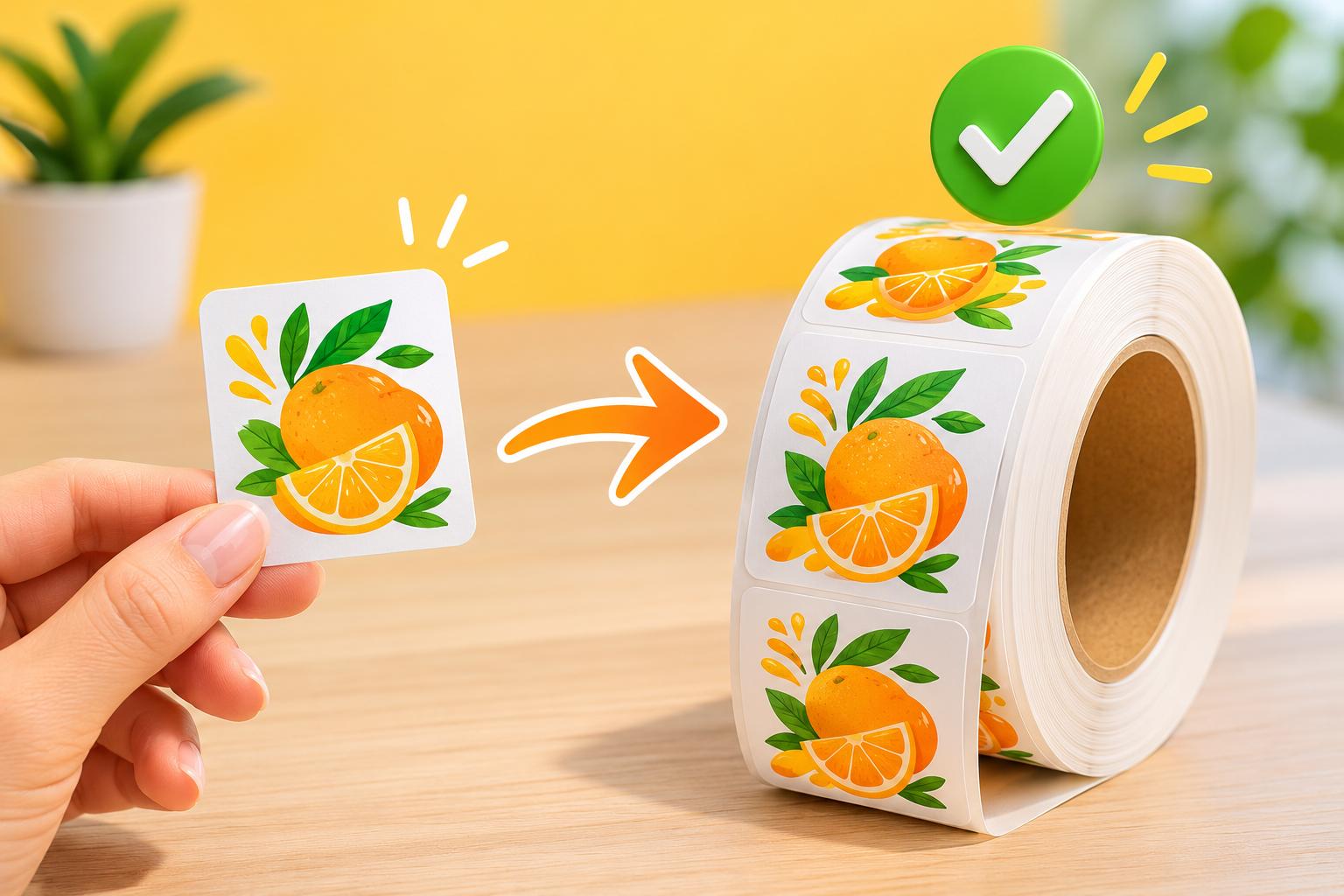
The same design can look different depending on the printing method.
For example:
• Digital printing
• Flexographic printing
• Offset printing
can create slight differences in color, texture, and sharpness.
This is normal in professional production and is managed within acceptable tolerances.
Why Colors Are Never 100% Identical
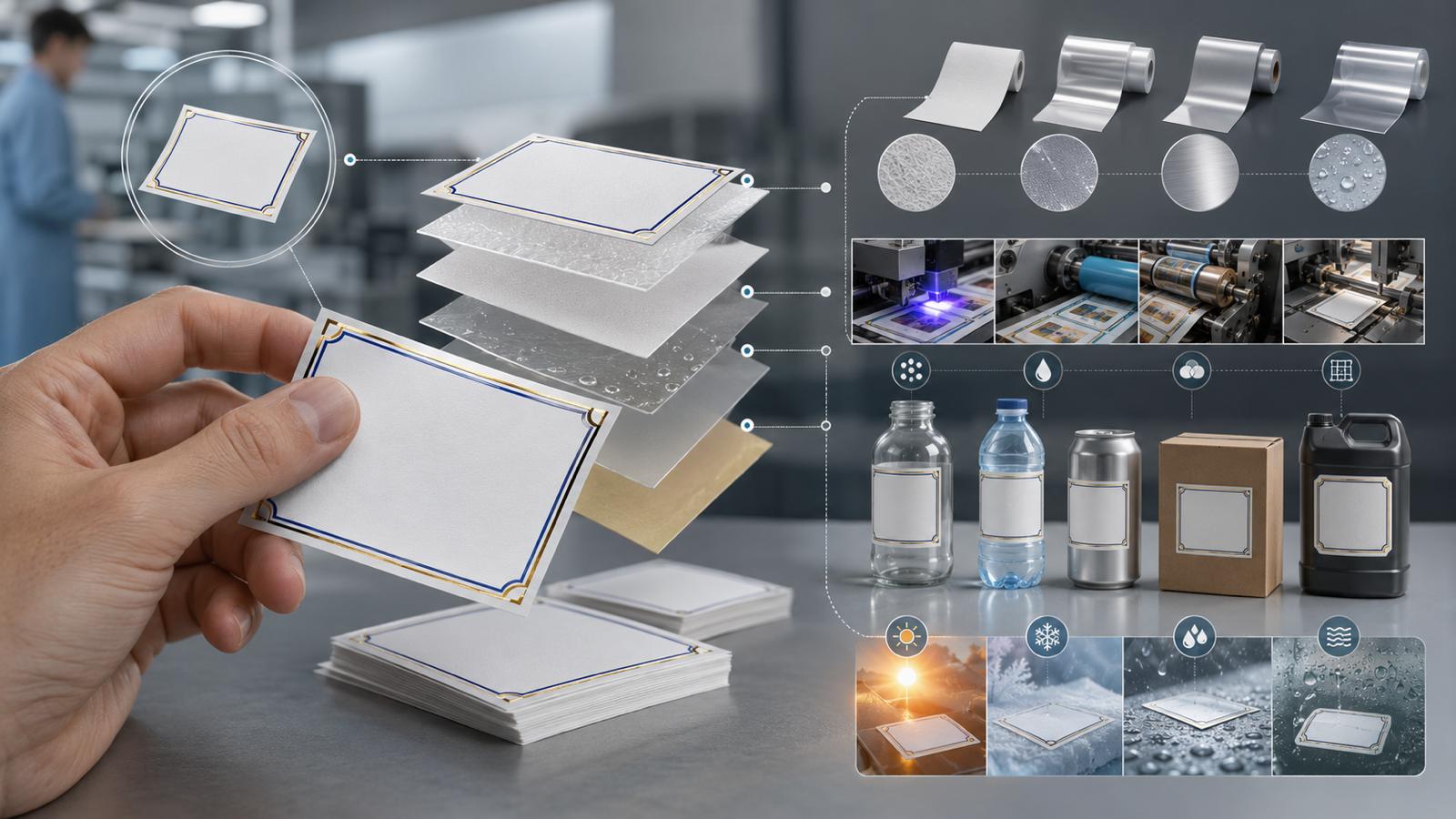
Color matching is one of the most misunderstood topics in printing.
This is because color can vary depending on:
• Lighting conditions
• The label material
• The printing system
For this reason, professional manufacturers use reference systems such as Pantone instead of relying only on visual comparison.
Even then, small tone variations can still occur.
The Biggest Risk: Focusing Only on Appearance
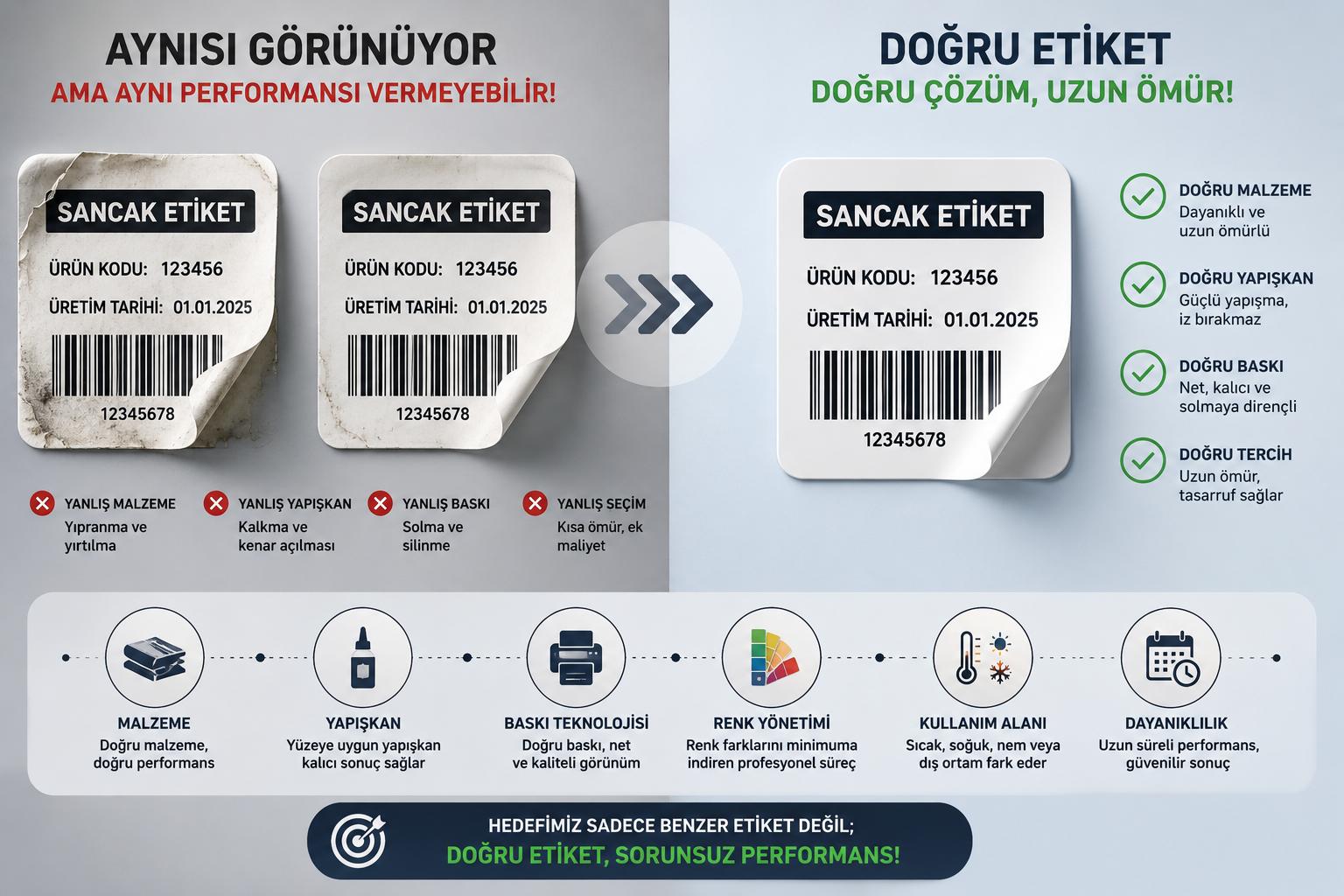
A label may look perfect on day one.
The real question is whether it will continue performing weeks or months later.
Poorly planned production can lead to problems such as:
• Labels peeling off
• Printed information fading
• Products appearing damaged on shelves
• Reprinting and replacement costs
In other words, a small oversight can quickly turn into operational costs.
So What Is the Right Approach?
Professional production is not about copying.
It is about creating the right solution.
That is why manufacturers usually need answers to questions like:
• Where will the label be used?
• What surface will it be applied to?
• Is it for indoor or outdoor use?
• Will it face moisture, heat, or cold storage?
• How long should it last?
The clearer the information, the smoother and more efficient the production process becomes.
The Sancak Etiket Perspective
For us, a sample is not the end of the process — it is the starting point.
We first analyze:
• The material type
• The application area
• Durability expectations
• Printing requirements
Then, if needed, we recommend alternatives that provide better performance while maintaining the desired appearance.
Because our goal is not simply to create a visually similar label.
Our goal is to deliver the right label solution that performs reliably under real-world conditions.
Frequently Asked Questions
Can a label be reproduced exactly like the sample?
In some cases, yes. However, without technical details, guaranteeing a perfectly identical result is not always realistic.
What is the most important factor?
The application environment and surface type.
Is slight color variation normal?
Yes. Small color differences may occur due to printing technology, lighting, and material variations.
Conclusion
Saying “make it exactly like the sample” may sound practical, but it is not enough for successful label production.
Because high-quality label manufacturing depends on:
• Proper analysis
• The right material
• The correct adhesive
• And accurate usage conditions
In short, a good label should not only look good —
it should also perform reliably over time.
00+
Workers
00+
Projects
00+
Happy Customers
00+
Continent